
How Beauty Matters in 2025: More Than Just Skin Deep
Beauty has always been a complex, evolving concept—shaped by culture, technology, and personal beliefs. In 2025, the way we perceive and define beauty is more dynamic than ever. While traditional beauty standards still exist, they are increasingly challenged by a more inclusive, ethical, and tech-driven perspective.
So, what does beauty really mean in 2025? And why does it still matter? Let’s break it down.
Gone are the days when beauty was just about fitting into a mold. Today, it’s about self-expression. From bold, unconventional makeup to natural, makeup-free looks, beauty is becoming a personal statement rather than a societal expectation. People are embracing their unique features, cultural heritage, and personal styles with confidence.
Social media platforms like TikTok and Instagram continue to shape trends, but instead of promoting one ideal look, they are amplifying diversity. Beauty influencers now range from people with vitiligo to plus-size models, proving that authenticity resonates more than perfection.
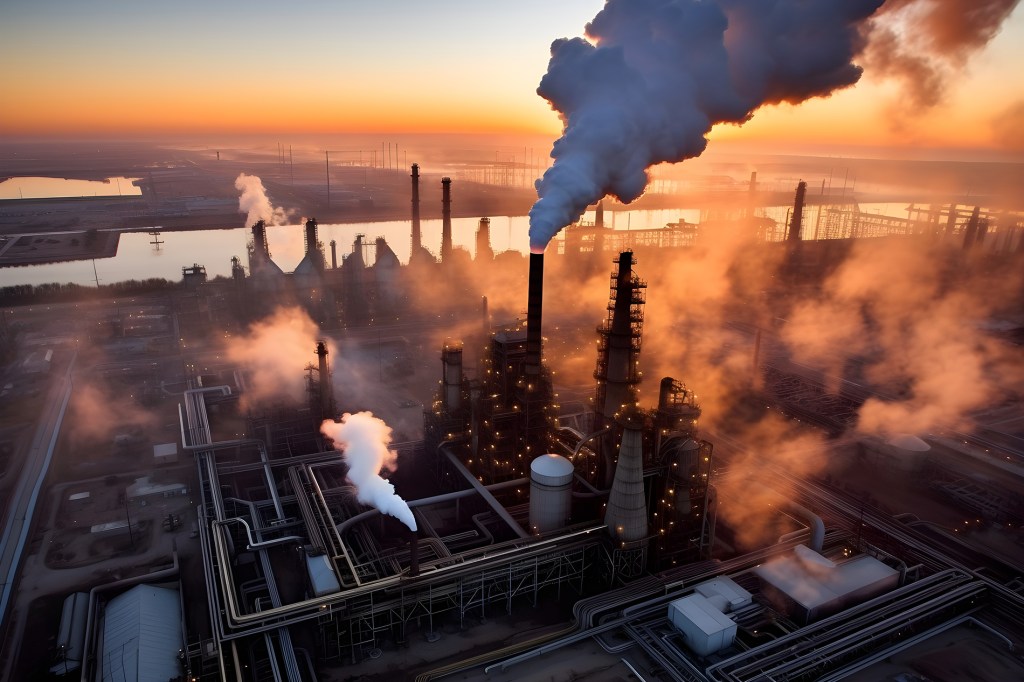
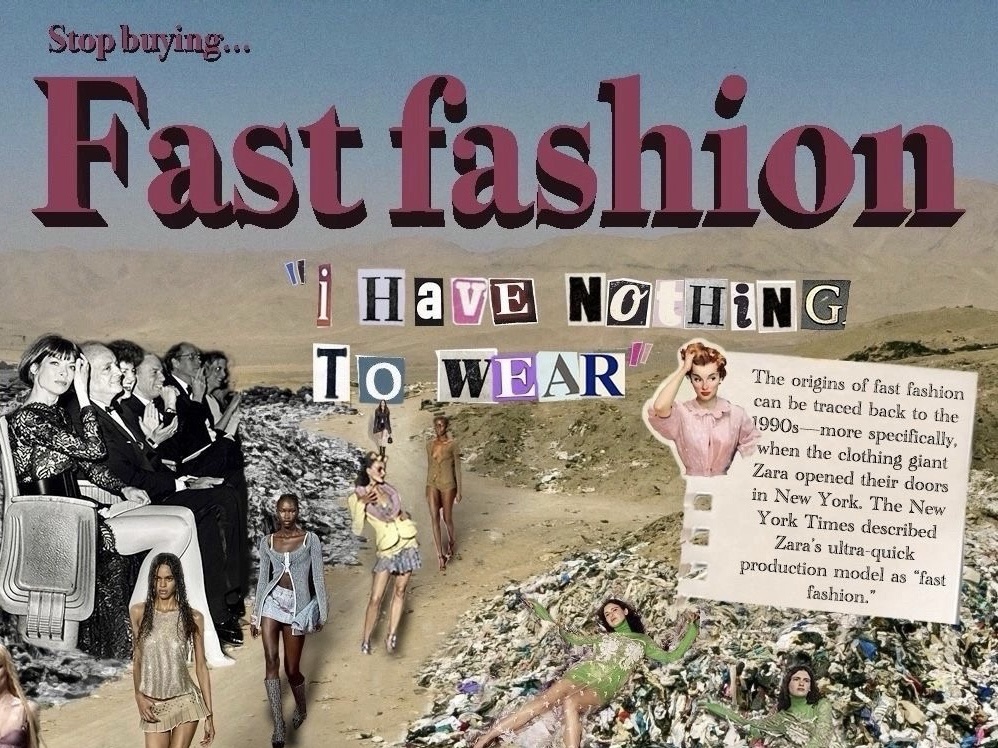
Consumers in 2025 care not only about how beauty products make them look but also about how they are made. Ethical beauty, meaning cruelty-free, sustainable, and transparent in sourcing, is no longer a niche market; it’s the industry standard.
Brands that engage in greenwashing (pretending to be eco-friendly without real action) are being called out, and companies that genuinely prioritize sustainability and fair labor practices are thriving. Refillable makeup packaging, waterless beauty products, and biotech-created ingredients are becoming the norm.
And it’s not just about the environment—there’s a growing demand for beauty brands that support social causes, from gender equality to fair wages for workers in the supply chain.
In 2025, beauty is more high-tech than ever. AI-powered skincare devices analyze skin conditions and personalize routines with precision. Virtual try-on features let consumers test makeup shades and hairstyles before making a purchase. Even cosmetic procedures are evolving, with non-invasive treatments gaining popularity over traditional plastic surgery.
One controversial yet undeniable trend is the rise of digital beauty filters and AI-generated influencers. While they allow for creativity, they also raise concerns about unrealistic beauty standards. The challenge? Balancing digital enhancements with real-world self-acceptance.
The relationship between beauty and mental health is finally being acknowledged. The pressure to look a certain way has always existed, but in 2025, there’s a stronger emphasis on self-care and confidence over external validation.
Therapists, influencers, and even beauty brands are encouraging people to redefine beauty on their own terms. The “no-makeup makeup” trend and movements like “skin neutrality” (accepting skin imperfections instead of obsessing over flawless skin) show that the goal isn’t perfection—it’s self-acceptance.
Whether it’s a bold lipstick, a shaved head, or simply glowing skin from a good night’s sleep, beauty remains a form of power. It’s a tool that can boost confidence, make statements, and even challenge societal norms.
In 2025, beauty is not just about aesthetics—it’s about ethics, innovation, self-expression, and well-being. It’s evolving into something deeper, something personal, and most importantly, something that matters beyond just appearance.
So, does beauty still matter in 2025? Absolutely. But the way we define it? That’s up to us.
Posts



Share this on
 joyceistyping
Leave a comment