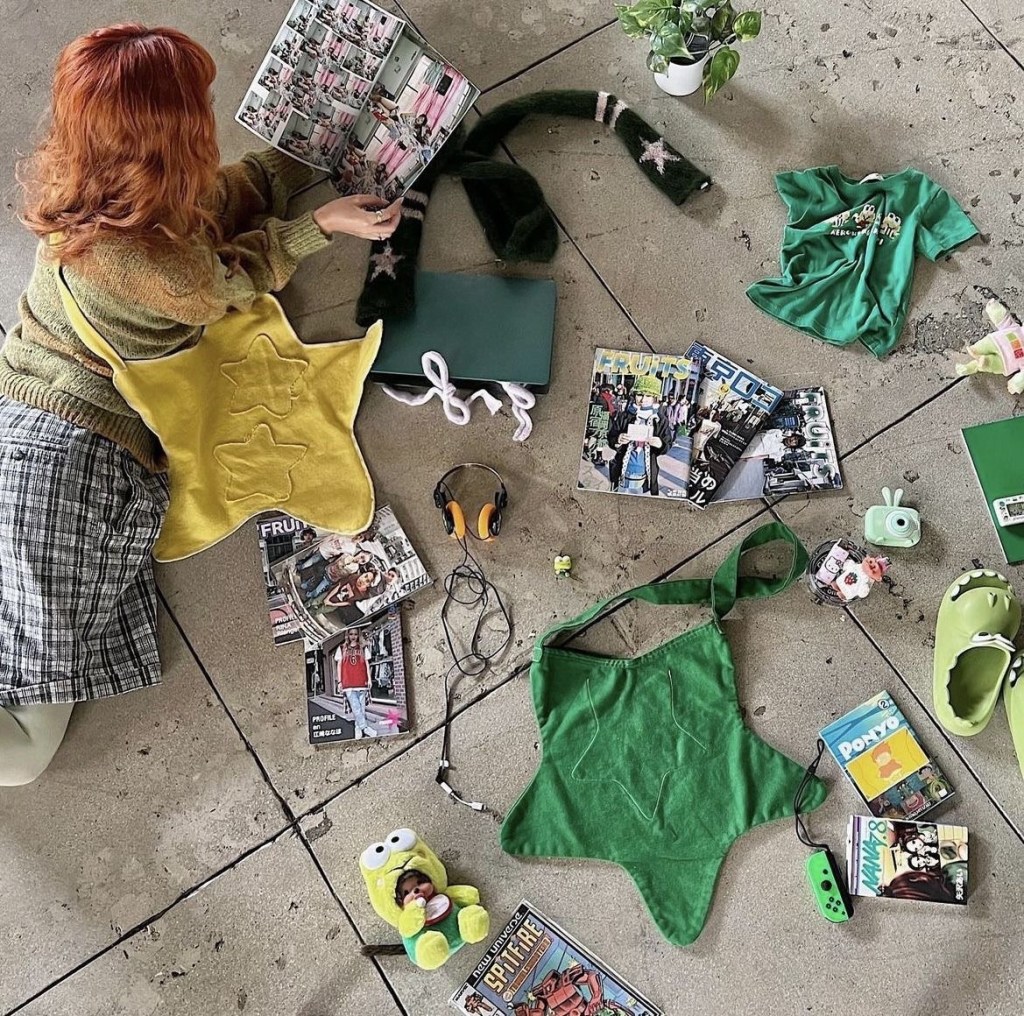
Every few months, a new sustainability trend seems to take over. One day it’s all about reusable straws, then it’s tote bags, then thrift flips. My feed fills with eco-friendly hauls, compost bins that look like they belong in an aesthetic Pinterest board, and brands loudly advertising how “green” they are. But here’s the thing—sustainability isn’t a trend. It’s not about looking cute or keeping up with what’s popular. It’s a responsibility.
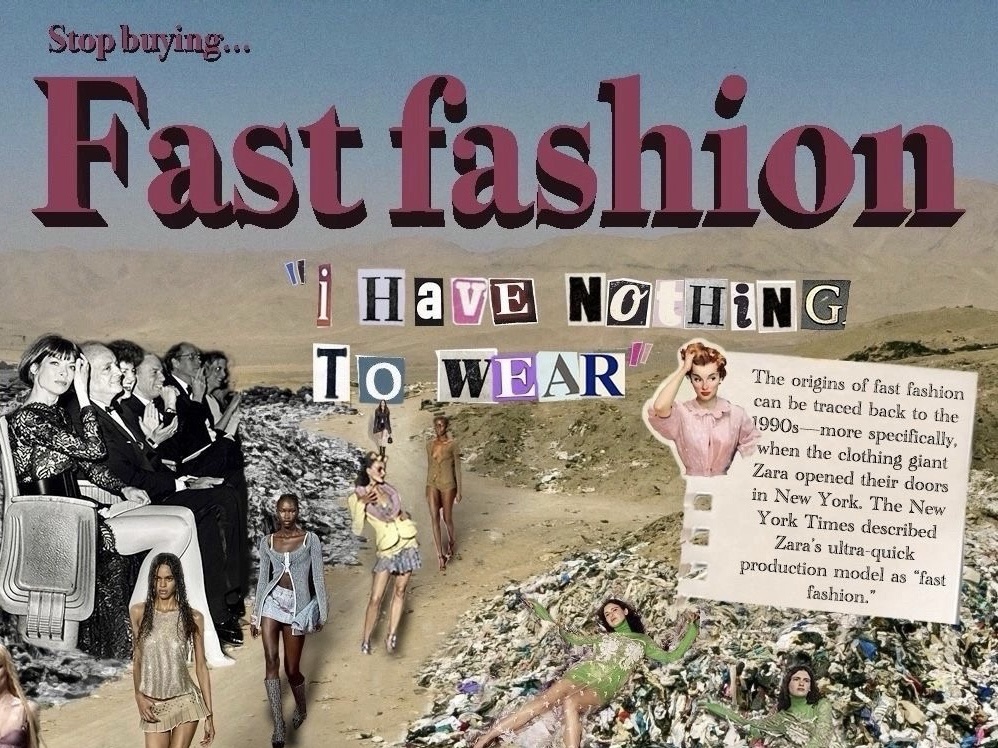
I’ve always had mixed feelings about the way sustainability is marketed. On one hand, it’s good that environmental issues are getting attention. But when it’s treated like just another passing craze, the impact rarely goes deeper than the surface. Too often, we see companies slapping the word “sustainable” on products without actually changing anything, influencers posting fast fashion hauls while talking about climate action, or people buying more eco-branded items instead of simply using what they already own. The focus shifts from genuine change to just appearing like you care.
I’ve been guilty of falling into this trap too. I once bought multiple bamboo cutlery sets because they looked “sustainable,” only to realize I already had perfectly good metal utensils at home. And don’t even get me started on tote bags—I could probably go the rest of my life without buying another one, yet somehow the pile keeps growing.
The truth is, sustainability isn’t about having the most eco-friendly-looking stuff. It’s about making small, thoughtful choices that last. That could mean resisting the urge to buy the new “green” product when you don’t actually need it, or repairing what you already have. It means calling out companies when they greenwash, and recognizing that systemic changes are just as important as individual actions. Most of all, it’s about consistency—making decisions every day that reduce harm, even if nobody’s watching.
For me, that looks like carrying a water bottle and actually using it, avoiding impulse purchases even when something has “eco” slapped on the label, upcycling old clothes or fixing broken things instead of tossing them, and supporting local or ethical businesses when I can. They’re small steps, but when done consistently, they matter.
At the end of the day, sustainability isn’t about being perfect or looking like you’re saving the planet on Instagram. It’s about choosing what creates real, lasting impact. It’s time we stop treating it like a short-lived trend and start living it as a necessity.
Posts





Share this on
 joyceistyping
Leave a comment