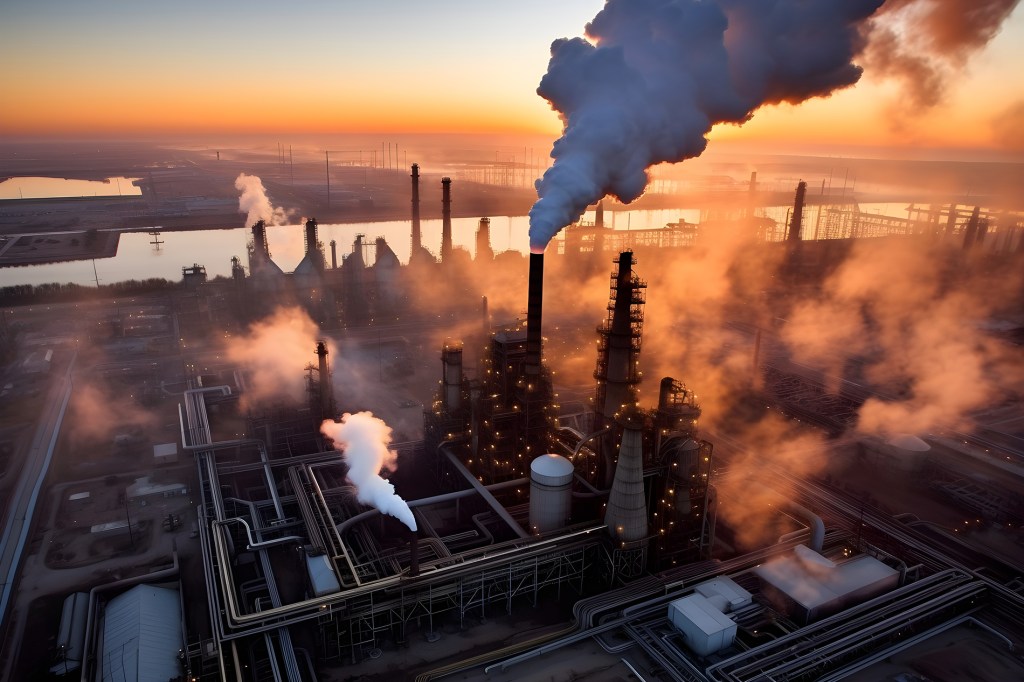
Environmental problems are not just about nature; they directly impact people’s lives, particularly those in vulnerable communities. Clean air, safe water, and healthy land are fundamental for survival, yet pollution, climate change, and habitat destruction continue to strip millions of their basic rights. Addressing environmental issues is not just about conservation. It is about justice, equality, and human dignity.
A Healthy Environment is a Basic Human Right
Everyone has the right to live in a safe and sustainable environment. However, industrial pollution, deforestation, and greenhouse gas emissions threaten this right every day. The United Nations reports that over 90% of the world’s population breathes polluted air, leading to millions of premature deaths. While some nations have taken legal steps to recognize environmental rights, enforcement remains inconsistent, often leaving marginalized groups unprotected.
Climate Change is Creating a Humanitarian Crisis
The consequences of climate change go beyond rising temperatures; they are forcing millions to flee their homes. Extreme weather events, prolonged droughts, and rising sea levels have created climate refugees with little legal recognition or protection. Developing nations bear the heaviest burden, as they often lack the resources to adapt to environmental disasters, exacerbating inequality and poverty.
Indigenous peoples are among the first to suffer the effects of environmental exploitation. Many rely on their land for food, cultural heritage, and survival, yet large corporations and governments frequently displace them for profit. Deforestation, mining, and industrial expansion not only destroy ecosystems but also violate Indigenous land rights. Those who resist often face violence, legal threats, and even death, making the fight for environmental justice a battle for human survival.
The role of corporations in environmental destruction cannot be ignored. Oil spills ruin marine ecosystems, toxic waste contaminates drinking water, and industrial expansion leads to deforestation. The push for corporate accountability is essential, as companies must be held responsible for the harm they cause. Environmental justice movements demand stricter regulations, greater transparency, and fair compensation for affected communities.
What Can Be Done?
Governments, organizations, and individuals all have a role to play in protecting environmental and human rights. Stronger legal protections, better enforcement of existing laws, and corporate accountability are crucial. Grassroots activism and youth-led climate movements are already making a difference by pushing for policy changes and raising awareness about these urgent issues.
Environmental justice is human justice. Addressing environmental destruction means protecting the rights of millions who suffer its consequences. A healthier planet leads to healthier communities, economic stability, and a more just world. Now, more than ever, we need collective action to ensure that environmental protection is seen not as a privilege, but as a fundamental human right.
Posts





Share this on
 joyceistyping
Leave a comment