
Plastic is everywhere. From food packaging and household items to medical equipment and clothing, our reliance on plastic is undeniable. But behind the convenience lies an unsettling truth, our plastic consumption is wreaking havoc on the environment and accelerating climate change.
Plastic Pollution: A Growing Crisis
Every year, millions of tons of plastic waste find their way into landfills, rivers, and oceans. Since plastic takes centuries to decompose, it continues to accumulate, harming wildlife and ecosystems. Marine animals mistake plastic for food, leading to fatal consequences, while microplastics infiltrate the food chain, ultimately poo impacting human health.
Disrupting Natural Ecosystems
Plastic waste disrupts natural habitats, threatening biodiversity. On land, plastic clogs drainage systems, causing urban flooding. At sea, massive garbage patches, like the Great Pacific Garbage Patch, entangle marine life and release toxic chemicals that further damage aquatic ecosystems.
The Hidden Cost of Plastic Production
Plastic production relies on fossil fuels, contributing to deforestation, habitat destruction, and environmental degradation. The refining and manufacturing processes consume vast amounts of energy, increasing greenhouse gas emissions and straining natural resources.
A Major Greenhouse Gas Contributor
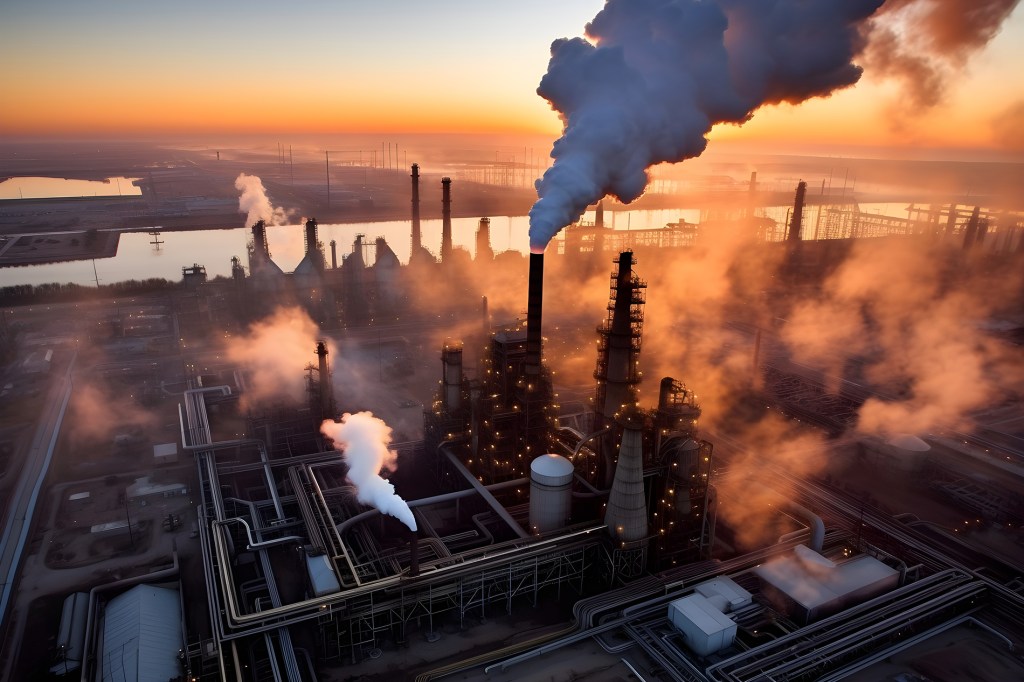
The plastic industry is a significant contributor to global emissions. From production to disposal, plastic releases substantial amounts of carbon dioxide (CO2) and methane (CH4), which trap heat in the atmosphere. In 2019 alone, plastic production and incineration emitted over 850 million metric tons of greenhouse gases.
Incineration and Landfill Emissions
Burning plastic waste releases toxic pollutants, including dioxins and furans, contributing to air pollution and harming public health. In landfills, plastics break down into microplastics and release methane, a potent greenhouse gas that exacerbates global warming.
Disrupting Ocean Carbon Sequestration
Oceans absorb nearly one-third of human-generated CO2 emissions. However, plastic pollution disrupts marine ecosystems, reducing the ability of phytoplankton and other organisms to absorb carbon effectively, leaving more CO2 in the atmosphere.
What Can We Do?
While the plastic crisis may seem overwhelming, collective action can drive change. Here’s how we can make a difference:
- Reduce Single-Use Plastics: Opt for reusable bags, bottles, and containers instead of disposable plastic products.
- Support Sustainable Alternatives: Choose biodegradable packaging, plant-based plastics, and other eco-friendly materials.
- Advocate for Policy Change: Push for stricter regulations on plastic production and waste management at local and global levels.
- Improve Waste Management Practices: Support recycling initiatives and participate in cleanup efforts to prevent plastic from reaching oceans and landfills.
- Educate and Raise Awareness: Spread knowledge about plastic’s impact on the environment and encourage sustainable lifestyle choices.
Plastic consumption is a pressing environmental and climate issue that requires immediate action. While convenience has driven society’s dependence on plastic, we must recognize its long-term consequences. By making conscious choices and advocating for systemic change, we can reduce plastic pollution, mitigate climate change, and protect our planet for future generations.
Now let’s rethink our relationship with plastic and work toward a more sustainable future.
Posts







Share this on
 joyceistyping
Leave a comment