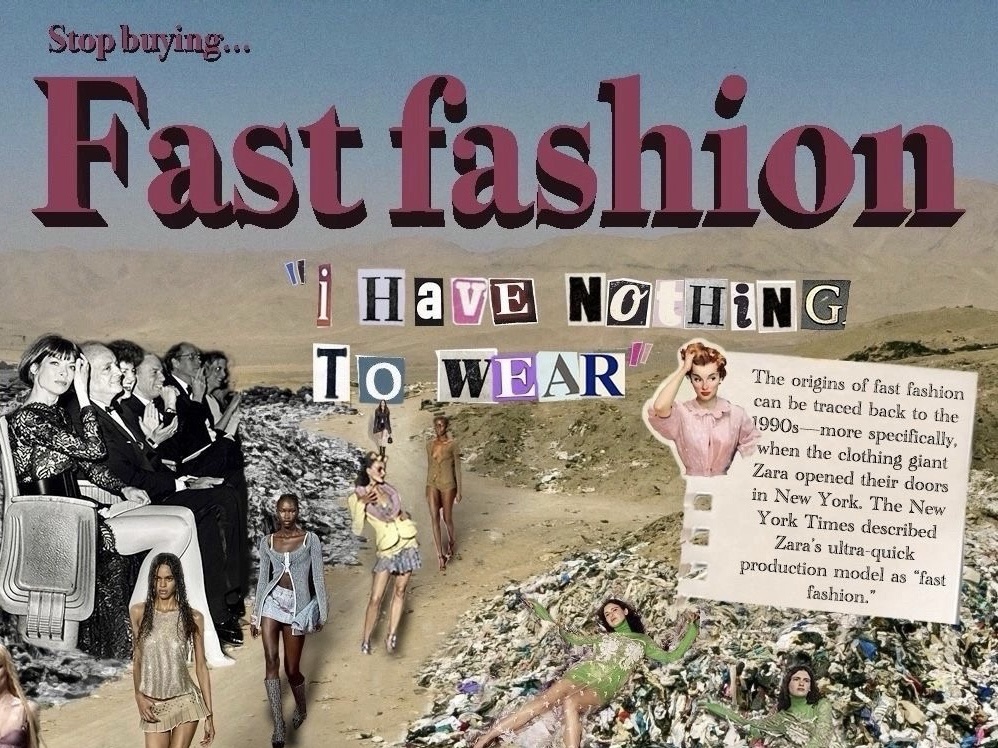
Let’s be honest we all love a good fashion haul. Scrolling through Shein, grabbing a trendy Zara top on sale, or picking up a cute H&M dress for a night out feels like a win. But have you ever stopped to wonder what happens after those impulse buys?
Spoiler alert: fast fashion is a full-blown environmental disaster. And the worst part? We’re all part of the problem.
The Ugly Truth About Fast Fashion
Fast fashion isn’t just about cheap clothes. It’s about fast production, fast trends, and, unfortunately, fast waste. Brands drop new collections every week, making last month’s must-have outfit feel outdated. But while we rotate through clothes like TikTok trends, the planet pays the price.
1. The Water Crisis in Your Closet
That oversized denim jacket you love? It took around 7,500 liters of water to produce enough to keep one person hydrated for seven years. Fashion is one of the world’s most water-intensive industries, and textile factories in countries like China, Bangladesh, and India are notorious for dumping toxic dyes and chemicals into rivers. That cute pastel sweater? It might be poisoning someone’s drinking water.
2. The Carbon Footprint No One Talks About
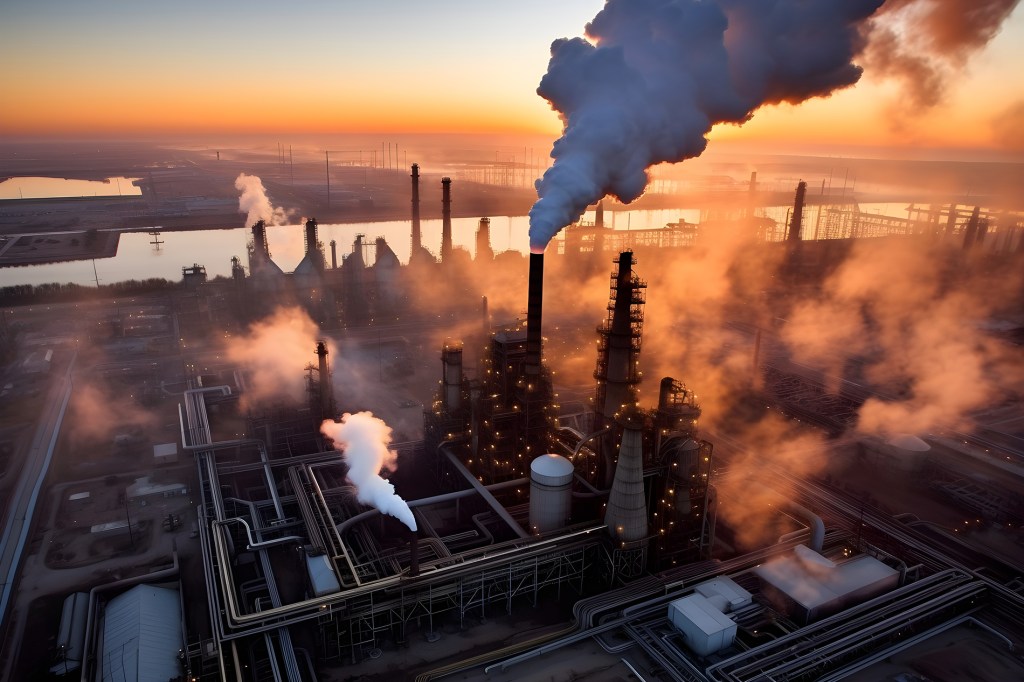
Fast fashion isn’t just bad for water—it’s worse for the air. The industry is responsible for 10% of global carbon emissions (more than international flights and shipping combined!). Polyester, the cheap fabric behind most fast fashion, is a plastic-based material made from petroleum, meaning every wash releases microplastics into the ocean. Your gym leggings might be shedding tiny plastic fibers into the environment right now.
3. The Waste Problem We Can’t Ignore
Here’s a scary thought: 92 million tons of clothing waste are generated every year. With trends changing every second, most fast fashion pieces are worn only seven times before getting tossed. And since a lot of these clothes are made from non-biodegradable materials, they’ll sit in landfills for hundreds of years. That $5 crop top? Your great-great-grandkids might still see it rotting in a dumpsite.
The Human Cost of Fast Fashion
And it’s not just the environment that suffers. Behind that $3 t-shirt is a factory worker making less than a living wage, working in unsafe conditions, and sometimes even forced into labor.
The 2013 Rana Plaza disaster in Bangladesh, where a garment factory collapsed and killed 1,100 workers, was a tragic wake-up call. But a decade later, not much has changed. Brands still prioritize profits over people, cutting corners on wages, safety, and working conditions to keep prices low.
How to Break the Fast Fashion Cycle
The good news? We don’t have to give up on fashion to make a difference. Small, mindful changes can have a huge impact.
1. Buy Less, Choose Better
Before you hit checkout, ask yourself: Do I really need this? Will I wear it more than once? The goal isn’t to never shop again. It’s to shop smarter. Go for timeless, high-quality pieces over trend-driven, cheaply made ones.
2. Support Ethical & Sustainable Brands
Not all brands are villains! Some companies are actively working towards sustainability. Look for brands like Patagonia, Reformation, People Tree, and Eileen Fisher. Check for certifications like Fair Trade, GOTS (Global Organic Textile Standard), or B Corp to ensure ethical production.
3. Thrift, Swap, and Upcycle
Thrifting isn’t just for hipsters. It’s one of the easiest ways to fight fast fashion. Apps like Depop, ThredUp, and Poshmark make second-hand shopping super accessible. Plus, swapping clothes with friends or DIY-ing old outfits into something new is a fun way to refresh your wardrobe without feeding into overproduction.
4. Wash Smarter
Washing clothes less frequently (and in cold water) reduces microplastic pollution and makes your clothes last longer. Use a Guppyfriend bag or a Cora Ball to catch microplastics before they enter the ocean.
My Final Thoughts: Fashion, But Make It Sustainable
Look, I get it. We all love a good deal, and fast fashion makes trendy clothes too easy to resist. But behind every cheap outfit is an environmental nightmare we can’t ignore.
So, next time you’re tempted by a $3 top, remember, if it’s that cheap, someone (or something) else is paying the price.
What are your favorite ways to shop sustainably?
Posts




Share this on
 joyceistyping
Leave a comment