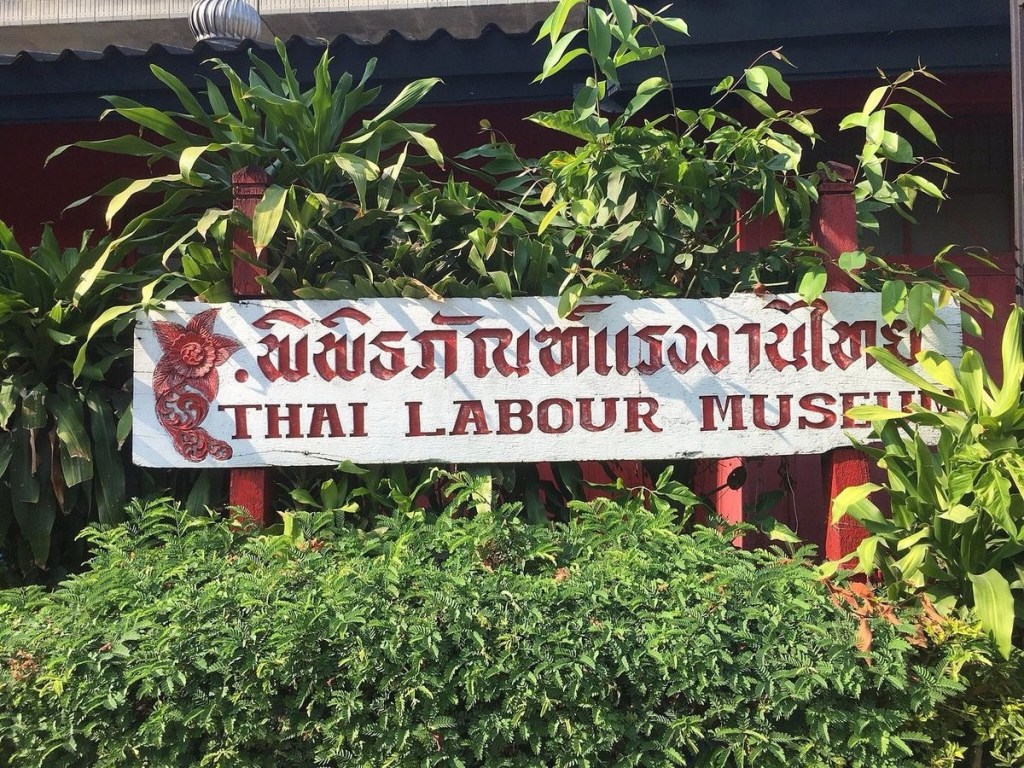
For many Burmese migrant workers in Thailand, life is a balancing act; straddling the past they left behind and the uncertain future ahead. During my internship working closely with Burmese immigrant communities, I listened to stories of resilience, sacrifice, and the daily struggles of navigating life in a country that often refuses to see them. These experiences opened my eyes to the harsh realities they face, but also to their unwavering strength in the face of adversity.
(Note: The names in this article have been changed to protect the identities of those mentioned.)
The Harsh Reality of Labor Conditions
Most Burmese migrants take on physically demanding jobs in factories, construction sites, and domestic work often the kind of labor that locals refuse to do. Long hours, meager wages, and unsafe working conditions are the norm, not the exception. Employers frequently exploit their lack of legal status, denying them fair pay, proper contracts, or even basic workplace safety.
I remember speaking with Ko Min, a factory worker who had been in Thailand for over a decade. Despite working tirelessly, he had no access to healthcare because his employer refused to process his documents. When he fell ill, he relied on a network of fellow workers to pool money for his medicine, an act of solidarity that both comforted and saddened me. No one should have to depend on luck and goodwill for basic healthcare.
The Struggle for Legal Recognition
One of the biggest challenges Burmese migrants face is the lack of proper documentation. Many arrive through informal channels or overstay their visas, leaving them in a constant state of fear. Without legal status, they cannot report abuse, fight for fair wages, or even access essential services.
I met a woman named Ma Thida who had worked as a domestic helper for years. Her employer held onto her passport, a common practice used to prevent workers from leaving. When she finally managed to escape, she was too afraid to go to the police because, in the eyes of the law, she was just another undocumented worker, not a victim of exploitation.
The Language Barrier and Social Isolation
Even for those who have lived in Thailand for years, language remains one of the biggest hurdles. Many Burmese migrants struggle to communicate with their Thai employers, making them more vulnerable to mistreatment. This language gap also isolates them from the local community, leaving them feeling like outsiders in a place they have called home for most of their lives.
One of the most heartbreaking moments for me was meeting a young girl at a migrant learning center. She had grown up in Thailand but still struggled with Thai, while her Burmese was fading. “I don’t know where I belong,” she admitted. It was a simple yet profound statement, one that many second-generation migrants can relate to.
Education
For migrant children, education is often a privilege rather than a right. While Burmese-run learning centers exist, they lack funding, qualified teachers, and official recognition. Many parents face a painful choice: send their children to work and contribute to the family’s survival, or let them study with no guarantee that an education will lead to better opportunities.
I met a bright-eyed girl named Nway Nway, who told me she wanted to be a teacher. But even at 14, she was painfully aware that her education might never be acknowledged beyond the walls of her school. “Will I ever be allowed to teach?” she asked. I had no answer.
Community as a Source of Strength
Despite these struggles, Burmese migrant communities are incredibly resilient. They have built tight-knit networks to support one another whether through informal labor unions, religious gatherings, or simply looking out for a sick friend.
One night, I visited a small gathering where workers pooled their money to help a friend pay off hospital bills. It was a humbling experience, watching people who had so little give so much to one another. Their solidarity is their greatest weapon against the oppression they face daily.
My time engaging with Burmese migrants changed the way I see migration, labor rights, and human dignity. These workers are not just statistics or anonymous figures in the workforce, they are individuals with dreams, families, and an unbreakable will to build a better life.
Their stories deserve to be heard. Not just as tales of suffering, but as testaments to resilience. And perhaps, if we listen closely enough, we will find ways to stand with them, not just in sympathy, but in action.
Posts







Share this on
 joyceistyping
Leave a comment