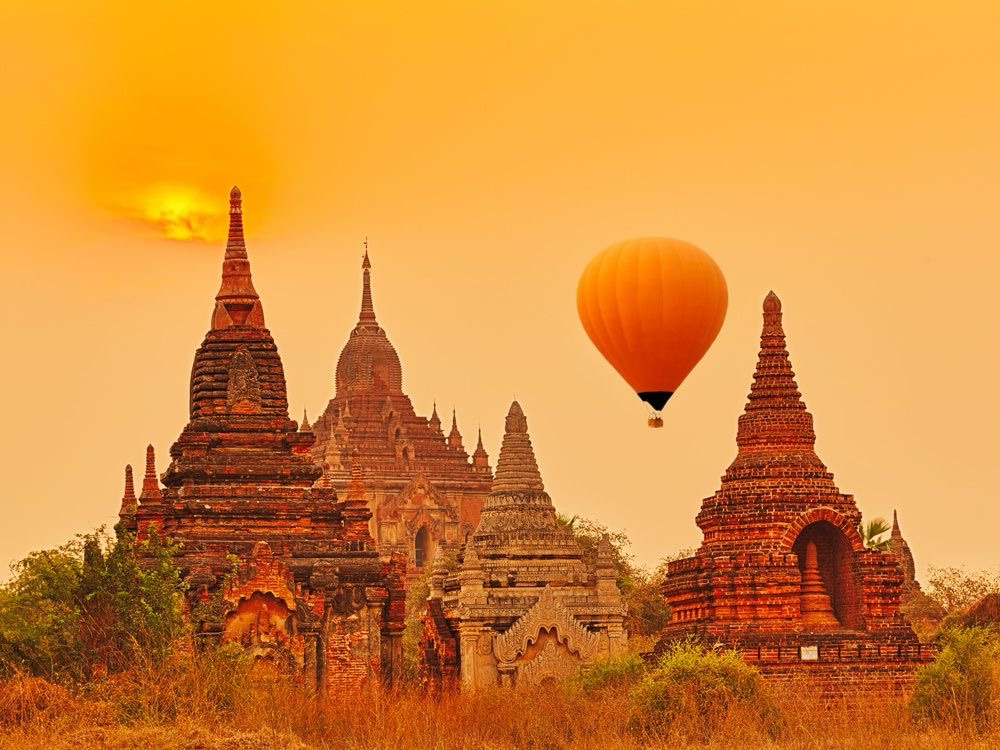
Myanmar, a country in Southeast Asia, is home to a complex and diverse mix of ethnic groups. The government officially recognizes eight major ethnic groups, often referred to as the “Eight National Races,” which represent the main cultural and linguistic groups in the country. These eight races contribute significantly to Myanmar’s cultural, religious, and social landscape, but they have also faced historical and political struggles for autonomy and recognition. Here is an overview of the Eight National Races of Myanmar:
1. Burman (Bamar)
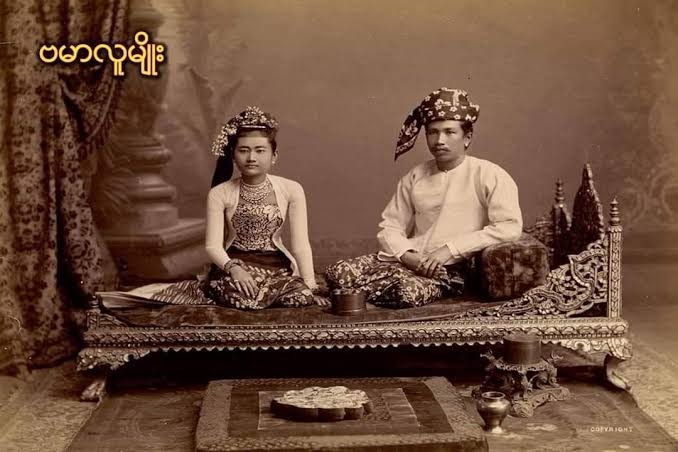
The Burman, also known as the Bamar, are the largest ethnic group in Myanmar, making up the majority of the population. They primarily reside in the central regions of the country, such as Yangon, Mandalay, and the Irrawaddy Delta. The Burman speak Burmese, the official language of Myanmar, and are predominantly Theravada Buddhists.
Historically, the Burman have played a dominant role in the political, cultural, and social life of Myanmar. The country’s central government has largely been controlled by the Burman people, both during civilian and military rule. This central role has influenced the nation’s national identity, often at the expense of minority ethnic groups.
2. Kachin
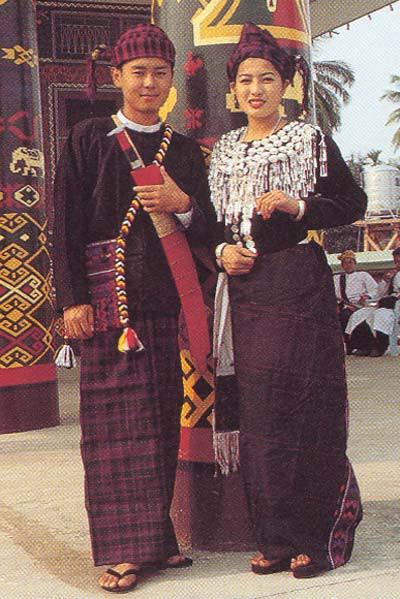
The Kachin people are primarily found in Kachin State, located in the northernmost part of Myanmar, near the border with China and India. The Kachin speak the Jinghpaw language and are primarily Christian, although there are also followers of Buddhism and animism among the Kachin.
The Kachin have a history of resistance against the central government and have long advocated for greater autonomy. The Kachin Independence Organization (KIO) and its military wing, the Kachin Independence Army (KIA), have been involved in armed conflict with the government in their pursuit of self-determination. Despite these challenges, the Kachin people have preserved their cultural identity and continue to contribute to Myanmar’s ethnic diversity.
3. Kayah (Karenni)
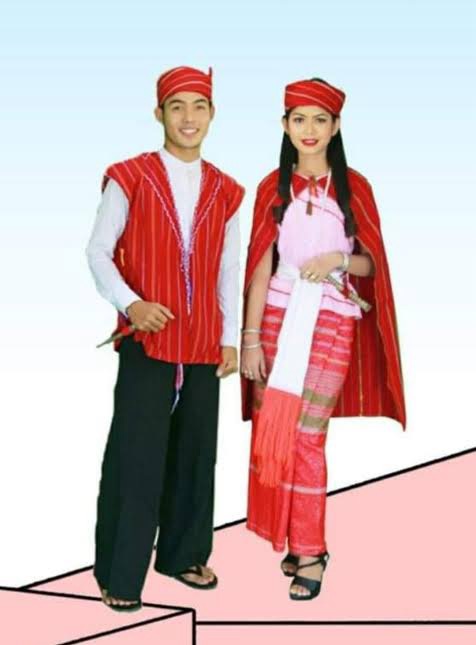
The Kayah people, also known as the Karenni, live primarily in Kayah State, located in southeastern Myanmar. They speak various languages, including Kayah Li, which is a member of the Karenic branch of the Sino-Tibetan language family. The majority of Kayah people are Christian, although there are also Buddhists and animists.
The Karenni National Progressive Party (KNPP) has sought greater autonomy for the Kayah people. Over the years, the Kayah people have faced displacement and persecution due to military operations, but they continue to maintain their unique cultural practices, which set them apart from other ethnic groups in Myanmar.
4. Karen (Kayin)
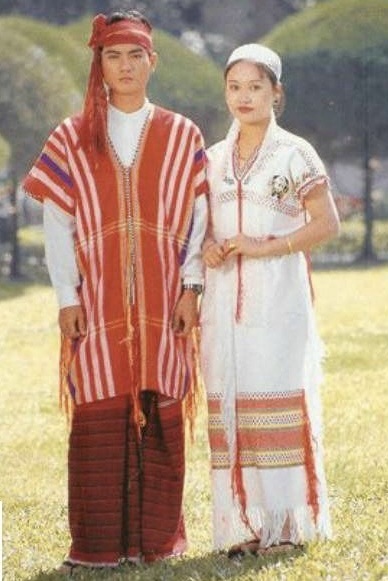
The Karen, or Kayin, people primarily reside in the southeastern regions of Myanmar, particularly in Karen State. They speak the Karenic languages, which belong to the Sino-Tibetan language family. The Karen are predominantly Christians, although there are also Buddhists and animists among them.
The Karen people have faced significant political challenges, including a long-running struggle for autonomy. The Karen National Union (KNU) has led armed resistance against the central government for decades. This conflict has resulted in displacement and significant hardship for the Karen people, many of whom have sought refuge in Thailand. Despite these difficulties, the Karen continue to preserve their cultural identity and traditions.
5. Chin
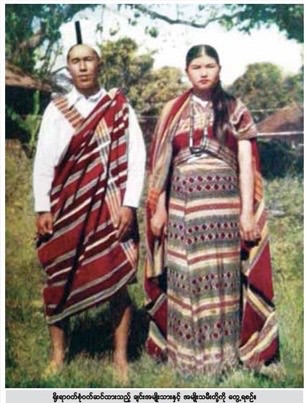
The Chin people live in Chin State, located in western Myanmar, near the border with India. They speak the Chin languages, which are part of the Tibeto-Burman language family. The majority of Chin people are Christians, with a small percentage following Buddhism and animism.
The Chin people have historically been marginalized in Myanmar’s political landscape. They have faced challenges in terms of political representation, economic development, and access to resources. Like other ethnic groups, the Chin have also experienced conflict and displacement due to military actions. Despite these challenges, the Chin people continue to maintain strong cultural ties and traditions, contributing to the country’s diversity.
6. Mon

The Mon people are one of the oldest ethnic groups in Myanmar, with a history dating back more than a thousand years. They are primarily found in Mon State, which is located in the southern part of the country. The Mon speak the Mon language, a member of the Austroasiatic language family, and the majority of Mon people are Theravada Buddhists.
The Mon people have historically played a significant role in the cultural and religious development of Myanmar. They were early adopters of Buddhism and helped spread the religion throughout Southeast Asia. The Mon National Liberation Army (MNLA) has fought for greater autonomy, but their efforts have been less successful compared to other ethnic groups. Despite this, the Mon people continue to preserve their unique cultural heritage and traditions.
7. Rakhine (Arakanese)
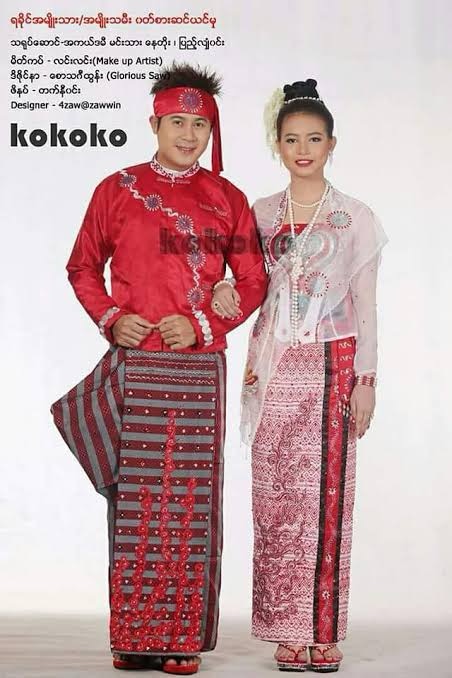
The Rakhine people, also known as Arakanese, primarily reside in Rakhine State, which is located along the western coast of Myanmar, bordering Bangladesh. The Rakhine people speak the Rakhine language, which is a dialect of Burmese, and most of them practice Theravada Buddhism.
Rakhine State is home to significant ethnic tensions, particularly between the Rakhine Buddhists and the Muslim Rohingya population. The situation in Rakhine State has been marked by violence and persecution, particularly against the Rohingya, who have faced severe human rights abuses and forced displacement. The Rakhine people themselves have also faced challenges in terms of economic development and political representation, though they remain an important part of Myanmar’s ethnic diversity.
8. Shan
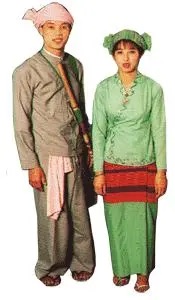
The Shan people are one of the largest ethnic groups in Myanmar and primarily reside in Shan State, which is located in the eastern part of the country. The Shan people speak the Shan language, a member of the Sino-Tibetan language family, and most of them practice Theravada Buddhism.
Shan State is rich in natural resources, and the Shan people have historically sought greater autonomy from the central government. Armed groups, such as the Shan State Army (SSA), have fought for independence or self-determination. The Shan people’s desire for political autonomy and economic development continues to shape the region’s political landscape, and they have long advocated for peace and stability in the face of armed conflict.
Challenges and Tensions Among the Eight National Races
While the Eight National Races are recognized as the major ethnic groups in Myanmar, the country’s history has been marked by tensions and conflicts between these groups, especially regarding political autonomy, economic resources, and cultural recognition. Many ethnic groups, such as the Karen, Kachin, and Shan, have fought for greater self-determination and autonomy, leading to decades of internal conflict.
The military’s control over Myanmar has often exacerbated these ethnic tensions, as armed resistance groups have clashed with the military regime, and ethnic minorities have been marginalized in the political process. Additionally, the ongoing situation in Rakhine State, where the Rohingya have faced severe persecution, has drawn international attention to the ethnic issues in Myanmar.
The Eight National Races of Myanmar; Burman, Kachin, Kayah, Karen, Chin, Mon, Rakhine, and Shan, represent a rich mosaic of cultures, languages, and traditions. While each of these groups contributes to Myanmar’s diverse cultural landscape, the country has faced ongoing challenges related to ethnic relations, particularly with regard to demands for autonomy, equality, and recognition. Moving forward, it is essential for Myanmar to find ways to address the concerns of its ethnic groups, fostering a more inclusive society that respects the rights and identities of all its people.
Posts






Share this on
 joyceistyping
Leave a comment