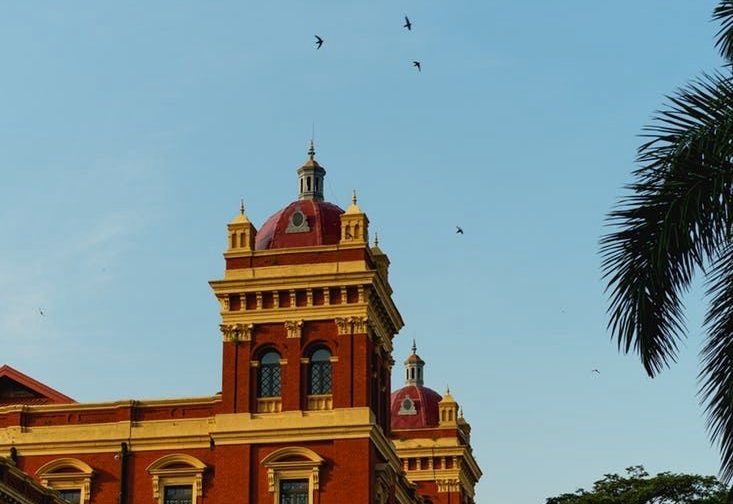
Myanmar, often referred to as the “Golden Land,” is a country blessed with immense cultural, natural, and human resources. However, since the military coup in February 2021, Myanmar has been mired in political instability, economic challenges, and social unrest. Despite this, the country’s potential remains undeniable. If Myanmar can transition back to a peaceful and democratic society, there are endless possibilities for growth, prosperity, and regional leadership.
Natural Resources
Myanmar is rich in natural resources, from its famous jade and gems to valuable minerals like tin, copper, and oil. The country also boasts vast agricultural lands, producing rice, beans, and pulses, making it a key player in global food markets. In a post-coup Myanmar, these resources could be harnessed in ways that benefit the country’s people. With stable governance, the mining and agriculture industries could thrive, bringing in foreign investment, creating jobs, and improving infrastructure.
The potential for Myanmar to become a regional economic powerhouse is evident. By modernizing its extraction and agricultural methods and building stronger trade relations, Myanmar could significantly boost its economic standing in Southeast Asia and beyond.
Youth Power
Myanmar’s greatest asset is its young population. With a median age of just 28, the country has a growing, educated, and tech-savvy workforce. Prior to the coup, Myanmar’s education sector had made remarkable strides, and its growing tech community was beginning to gain international attention. If the country returns to stability, this next generation of innovators could lead the charge in the digital economy.
We’re already seeing signs of entrepreneurial spirit. From tech startups to fintech solutions, young people in Myanmar are eager to contribute to a thriving economy. With the right investments in education, technology, and infrastructure, Myanmar could become a regional hub for innovation and digital transformation.
Strategic Location
Myanmar’s geographical location is one of its greatest strengths. Nestled between China and India, two of the world’s largest economies, Myanmar is in a prime position for trade. Additionally, the country’s access to the Indian Ocean makes it a vital maritime link. The development of its ports, highways, and railways could position Myanmar as a key player in Southeast Asia’s logistics and supply chain networks.
In a more peaceful and democratic environment, Myanmar could attract investment in its transportation infrastructure, opening up more trade routes with neighboring countries and fostering deeper integration into regional and global economies.
Tourism
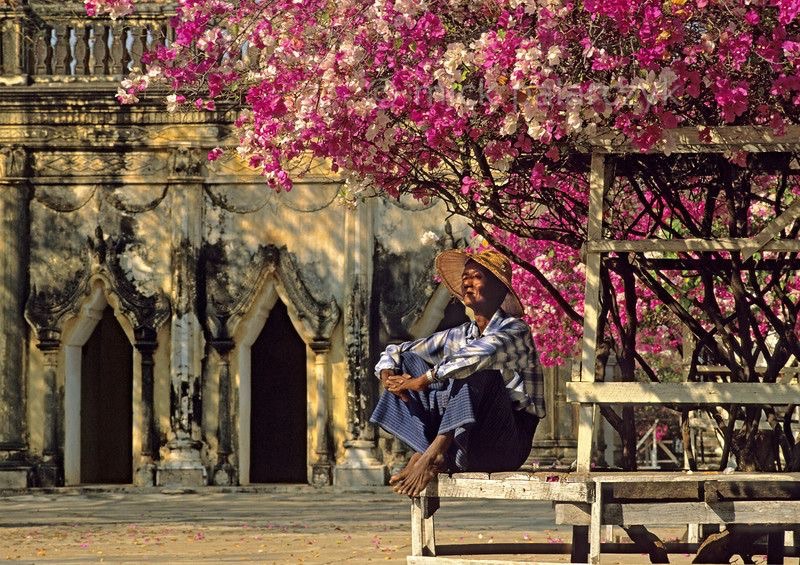
Myanmar is home to some of the most stunning landscapes and historical sites in Asia. The ancient temples of Bagan, the tranquil beaches of Ngapali, and the lush hills of Shan State offer a rich cultural and natural heritage waiting to be explored. In addition to its breathtaking beauty, Myanmar’s diverse traditions and unique cuisine make it an exciting destination for travelers seeking something off the beaten path.
In a post-coup Myanmar, tourism could become a major economic driver. By investing in sustainable tourism and improving infrastructure, Myanmar could establish itself as a top destination for international visitors, creating jobs, promoting cultural exchange, and boosting the national economy.
Sustainable Development
Agriculture has long been the backbone of Myanmar’s economy, and it remains a critical sector. However, with climate change and environmental degradation threatening global food security, the need for sustainable agricultural practices has never been more urgent. Myanmar’s vast farmland presents an opportunity to lead the charge in eco-friendly farming, organic products, and agroforestry.
By adopting sustainable practices, Myanmar could address pressing issues such as poverty and environmental destruction while simultaneously contributing to global sustainability efforts. The country’s potential for green growth is enormous, and it could attract ethical investors who are committed to long-term, responsible development.
Myanmar’s Role in ASEAN
As a member of the Association of Southeast Asian Nations (ASEAN), Myanmar is positioned to play an important role in shaping regional political and economic policies. In recent years, Myanmar’s leadership in ASEAN has been hindered by its political instability, but a return to democracy could restore its position as a regional leader.
By focusing on collaborative regional efforts especially in areas like human rights, trade, and climate change; Myanmar could contribute meaningfully to ASEAN’s future. With its strategic location, resources, and young workforce, Myanmar has the potential to be a key player in shaping the future of Southeast Asia.
The Path to a Better Future
Despite the current challenges Myanmar faces, the country’s potential for growth and development is undeniable. If Myanmar can break free from the military’s grip and return to a democratic path, it can harness its vast resources, human capital, and strategic location to build a brighter future. The road to recovery will be long, but the possibilities are limitless.
For now, the international community must continue to support Myanmar’s people in their fight for democracy and peace. Myanmar’s future is in its hands, and if peace is restored, the country could emerge as one of Southeast Asia’s most prosperous and dynamic nations.
The best days of Myanmar are yet to come.
Posts








Share this on
 joyceistyping
Leave a comment